All Categories
Featured
Table of Contents
Adapting to Seasonal Shifts for Residential Property Maintenance in 2026
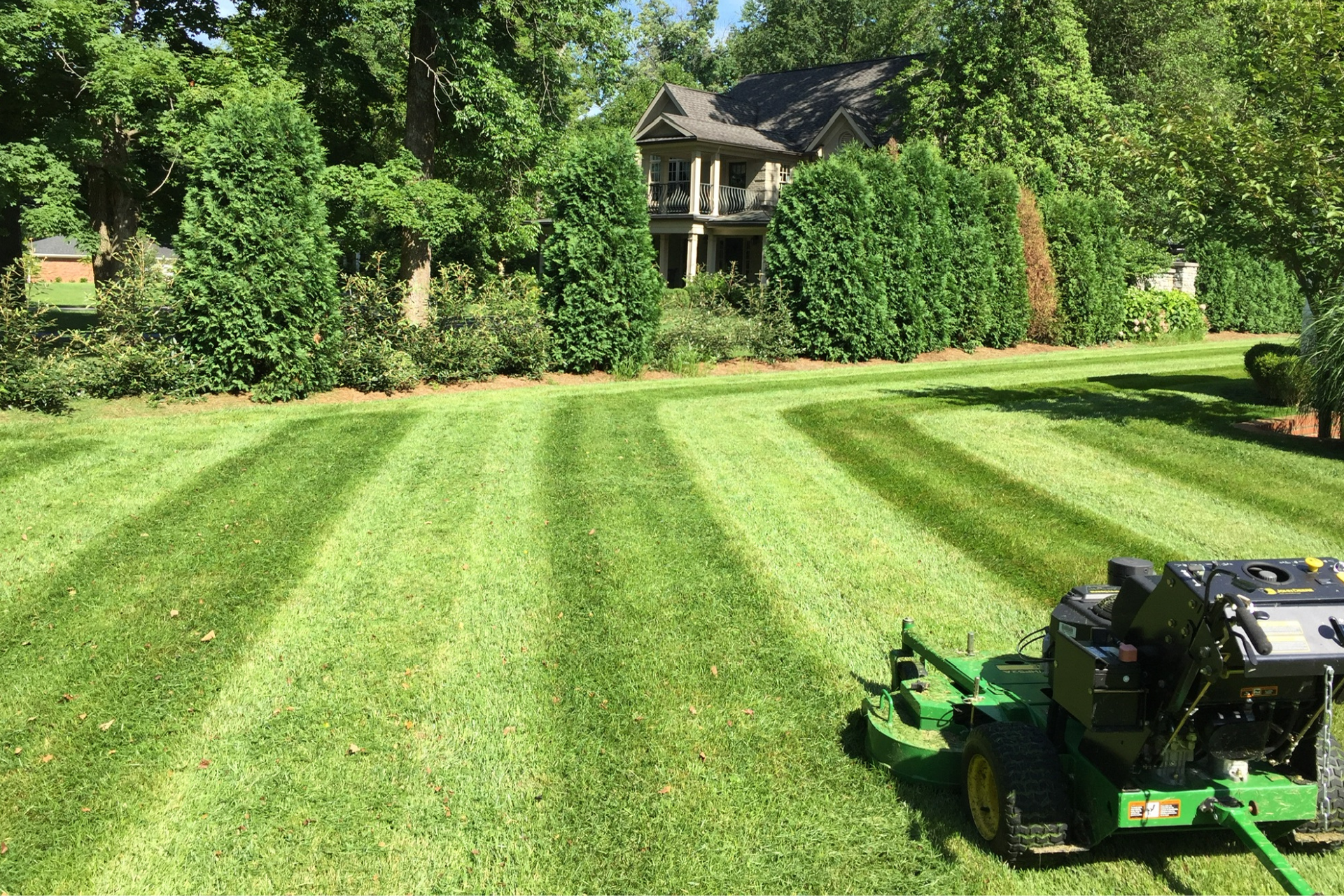
Environment irregularity in 2026 has actually redefined the basic technique to seasonal growth. Traditional calendars that as soon as dictated when to fertilize or trim are becoming outdated as local weather patterns diverge from historic averages. In numerous areas, the transition from winter dormancy to spring growth happened three weeks earlier than anticipated this year, requiring a recalibration of soil management techniques. Maintaining a healthy lawn now requires a closer look at soil temperature and moisture levels instead of counting on the date on the wall.
Across numerous geographical zones, the 2026 growing season has actually revealed that versatility is the most crucial element in success. Property owners are finding that what worked even two years back is no longer adequate for the current heat waves and rainfall spikes. The emphasis has approached long-lasting soil health, which allows lawn to withstand the tensions of an altering atmosphere. With a higher focus on Local Turf Management, lots of homeowners are moving far from chemical-heavy reliance toward biological modifications that enhance root systems before the summertime heat arrives.
Localized Soil Health and Regional Growth Trends
Soil structure varies considerably between neighborhoods, however 2026 has actually brought a universal need for better drainage and aeration. In the local area, heavier-than-normal spring rains led to soil compaction, which can suffocate roots and motivate fungal development. Resolving these issues early in the season prevents the yard from thinning out during the high-temperature months of July and August.
Experts in grass science have noted that the 2026 heat dome impacted even the most durable grass varieties. As temperatures remained above 90 degrees for record durations, the evaporation rate of soil moisture increased, resulting in localized dry areas even in well-irrigated lawns. The emergence of Professional Local Yard Solutions offers a data-driven way to keep an eye on these below ground modifications. By comprehending the particular needs of the dirt underneath the lawn, homeowner can use water better without wasting resources.
Managing Cool-Season Ranges in 2026
For regions controlled by Fescue, Kentucky Bluegrass, and Ryegrass, 2026 provided a distinct difficulty. These ranges grow in temperate weather condition however battle when the thermometer climbs up. This year, the spring window for overseeding was shorter than typical. Those who timed their efforts to accompany the early increase in soil temperature levels saw exceptional outcomes, while those who waited on the traditional April window discovered their young lawn burnt by an early Might heat spike.
Trimming heights have also seen a shift in 2026 standards. Keeping yard longer-- around 4 inches-- has ended up being a basic suggestion to shade the soil and safeguard the crown of the plant. This extra height serves as a natural mulch, keeping the ground cooler and reducing the germination of weeds that prosper in sun-exposed dirt. Current surveys indicate a rise in interest for Turf Maintenance for Annapolis among those handling these particular cool-season stressors.
Warm-Season Adaptation and Inactivity Cycles
In the southern zones where Bermuda, Zoysia, and St. Augustine grasses prevail, the 2026 season was defined by a prolonged period of peak development. While these grasses love the heat, the sheer length of the summertime season meant that nutrient depletion took place faster than in previous years. Nitrogen applications had to be thoroughly managed to avoid over-stimulating development during durations of dry spell, which can cause permanent damage if the plant can not discover enough water to support its brand-new blades.
Water constraints in many towns likewise determined a brand-new technique to yard care this year. Instead of frequent shallow watering, the trend approached deep, infrequent cycles that motivate roots to grow much deeper into the earth. This practice makes the yard more self-sufficient. In 2026, properties that made use of deep-root techniques stayed green far longer than those subjected to day-to-day light watering. The goal has actually become strength rather than just immediate aesthetic appeal.
The Impact of 2026 Rainfall Patterns on Turf Health
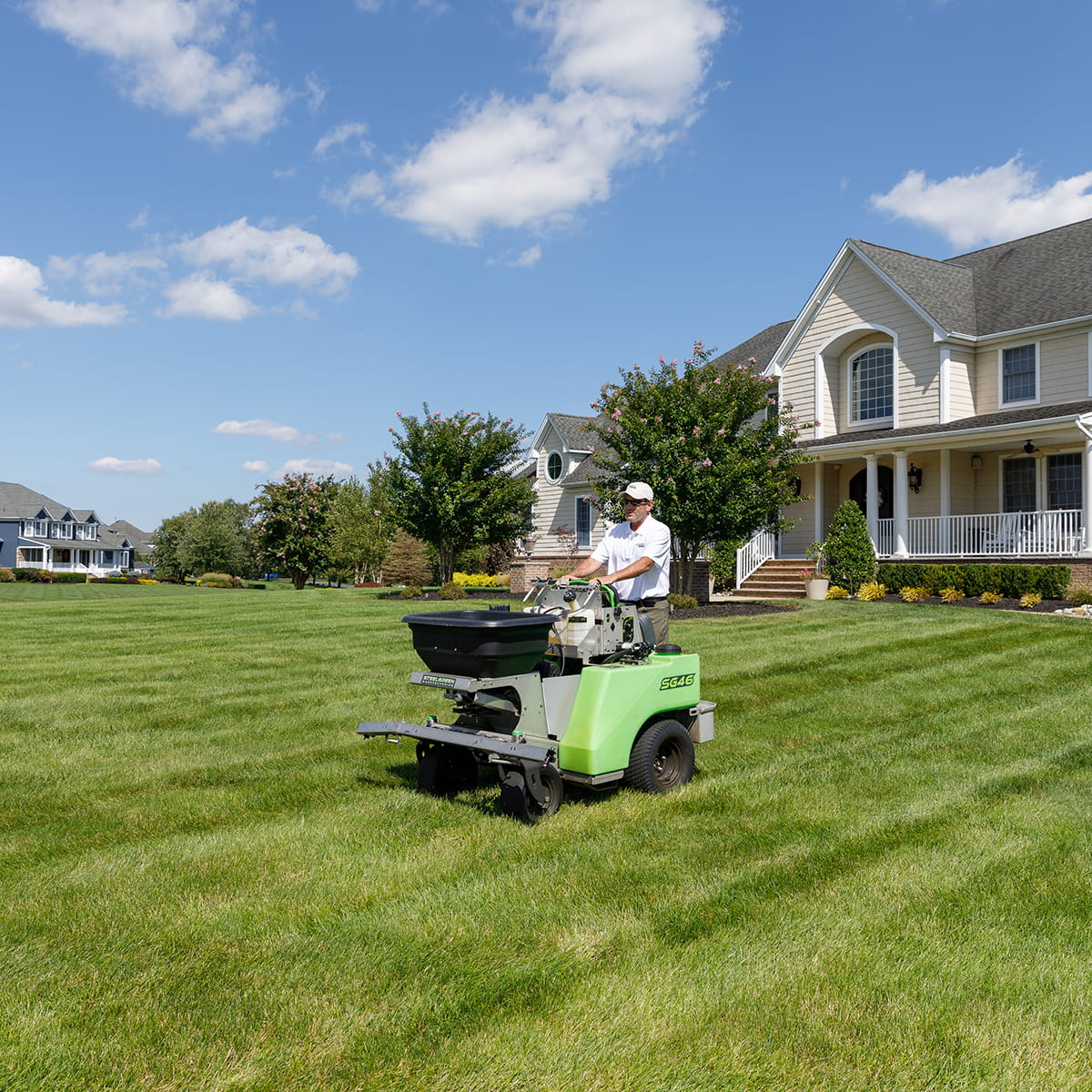
Rain in 2026 has been anything but constant. Some regions experienced months of wetness in a single week, followed by weeks of outright dry. This "boom and bust" cycle is particularly difficult on residential lawns. Excessive water can result in nutrition leaching, where vital minerals are gotten rid of before the turf can absorb them. To counter this, numerous experts are advising slow-release organic fertilizers that stay in the soil longer and provide a constant supply of food despite the rain frequency.
Pathogen management has likewise become a concern in 2026. High humidity combined with warm nights developed the ideal environment for illness like big patch and dollar spot. Observing the turf daily for signs of staining or "smoke rings" enabled proactive house owners to treat issues before they spread throughout the entire yard. Utilizing natural fungicides and enhancing airflow through the premises has actually shown more effective than counting on heavy synthetic treatments after the damage is currently noticeable.
Future-Proofing Residential Outdoor Spaces
As 2026 ends, the lessons gained from this growing season will inform how homes are handled in the coming years. Among the greatest takeaways is the significance of variety in the ground cover. While a monolithic carpet of a single grass type is still popular, more individuals are integrating clover or other micro-legumes that remain green with less water and naturally fix nitrogen into the soil. This hybrid approach reduces the need for consistent upkeep and creates a more stable environment for the grass that stays.
Innovation continues to play a bigger function in how the local community manages yard care. Smart irrigation controllers that sync with local weather stations ended up being the standard in 2026, avoiding sprinklers from running throughout rainstorms or high winds. These systems can likewise change for the particular transpiration rates of various yard types, ensuring that every drop of water is utilized as efficiently as possible. The focus is no longer simply on having the greenest yard on the block, however on having the most intelligent and most sustainable one.
Adaptation is the theme of the year. Whether it includes altering the timing of aeration or changing to a more heat-tolerant seed blend, the ability to respond to the environment in real-time is what separates a flourishing home from one that has a hard time. The 2026 season proved that with the right data and a willingness to move away from old routines, a stunning and healthy outside space is possible even in a rapidly changing climate. Professionals and homeowners alike are now looking ahead, utilizing the data from this year to prepare for whatever 2027 might bring.

Latest Posts
The True Facts About What An Amsterdam Romance Advisor Can Do For You
Identifying Warning in Your Local Service Browse
Mastering Seasonal Growth Cycles for a Much Healthier Regional Backyard